Milo: The Retro Script Font That Elevates Your Brand Identity
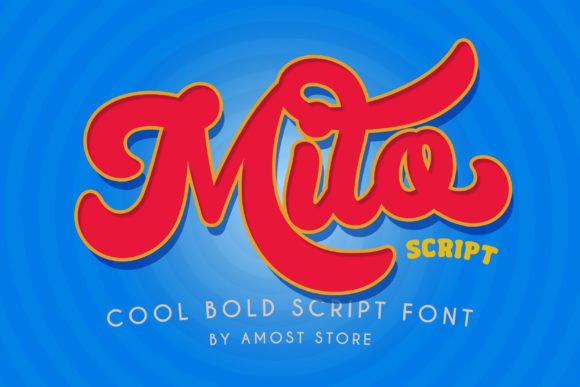
Running a small business means wearing many hats, from the CEO to the graphic designer. One of the most frequent challenges I face is creating a visual identity that feels both professional and uniquely personal. You want your brand to stand out in a crowded marketplace, but you also need it to look trustworthy and consistent across every single touchpoint. This is where the right typeface becomes more than just decoration; it becomes a strategic asset. After testing dozens of options for my own boutique branding, I found that Milo, a stunning Retro Vintage style font, offers exactly the personality and versatility needed to make a small business look polished and memorable.
Why Milo Fits the Modern Creative Business
Milo is not just another decorative text file. It belongs to the Script Amp category of Fonts, designed with a distinct hand-drawn charm that immediately evokes nostalgia and warmth. For entrepreneurs selling handmade goods, operating a café, or offering creative services, this script font brings a human element to digital and print materials that standard sans-serif typefaces often lack. Its flowing lines and vintage aesthetic create an emotional connection with customers, suggesting authenticity and care—qualities that are essential for building a loyal customer base.
When you use Milo as a display font, you are setting a tone before your customer even reads the first word of your message. Whether it is on a product label, a social media post, or a storefront sign, the retro vibe suggests quality and tradition without feeling old-fashioned. It strikes a perfect balance between playful and sophisticated, making it ideal for businesses that want to appear approachable yet established.
Building Consistency Across Real-World Touchpoints
Consistency is the backbone of a strong brand identity. If your logo looks one way on your website, another on your Instagram, and something entirely different on your packaging, customers will feel confused about who you are. Milo solves this problem by providing a versatile visual thread that can run through all your marketing materials.
Imagine launching a line of organic soaps. Using Milo on your product labels gives them an artisanal feel that tells a story of natural ingredients and careful crafting. When you take that same font and apply it to your thank-you cards included in the shipping box, the unboxing experience becomes cohesive. Even when you use it for a simple sticker placed on the outside of the package, the brand recognition strengthens. Every time a customer sees that specific script, they associate it with your values.
This consistency extends to your digital presence as well. Creating social media graphics for platforms like Instagram or Pinterest is much faster when you have a signature font ready to go. Instead of searching for a new style for every post, you can use Milo for headlines and key phrases, ensuring your feed looks curated and professional. It transforms random images into a unified gallery that reflects your brand identity.
Practical Applications for Small Businesses
- Logo Design: Milo works exceptionally well as a primary logo for boutique shops, coffee roasters, or wedding planners. Its unique character makes it instantly recognizable, helping you stand out against competitors using generic templates.
- Packaging and Labels: For product sellers, the legibility and style of Milo shine on bottle tags, jar lids, and hang tags. It adds a premium touch to packaging design without requiring expensive custom illustrations.
- Menus and Flyers: A local restaurant or food truck can use this handwritten font to create a menu that feels welcoming and cozy. It turns a standard list of prices into an inviting visual experience.
- Digital Ads and Banners: On websites and online ads, Milo acts as a powerful headline typeface. It grabs attention immediately, encouraging users to click through to learn more about your offer.
- Cricut Projects and Merchandise: If you create physical merchandise like tote bags, t-shirts, or stickers, this creative font is perfect for cutting machines. It ensures your designs look crisp and professional whether printed on fabric or vinyl.
Readability and Professionalism in Action
While decorative fonts can sometimes be difficult to read, Milo is crafted with a clear structure that maintains readability even at smaller sizes. This is crucial for business applications like product labels or mobile-friendly web banners where space is limited. However, to ensure maximum professionalism, it is best used strategically rather than everywhere.
I recommend using Milo as a headline, logo, or accent font. For body text, such as long descriptions on a website or instructions on a package, pair it with a clean sans serif font or a highly readable serif font. This combination creates a hierarchy that guides the reader's eye. The retro vintage style of Milo draws attention to the most important words, while the neutral supporting text ensures that details like pricing, ingredients, or contact information are easy to digest.
For example, a coaching business might use Milo for their main tagline "Empower Your Life" on a landing page banner, while using a simple sans-serif font for the service details below. This approach keeps the design stylish without sacrificing clarity. In real-world settings, from a busy market stall to a smartphone screen, this balance ensures your message is received clearly and professionally.
Smart Font Pairing and Testing Strategies
To get the most out of Milo, experimenting with font pairing is essential. A common mistake small business owners make is using too many decorative styles, which can make a brand look chaotic. Instead, let Milo do the heavy lifting for emotion and style, and keep the rest of your typography functional.
Try pairing Milo with a geometric sans-serif for a modern twist, or a classic serif for a more traditional, elegant look. This flexibility allows the same premium font to adapt to different brand moods. Before committing to a full rebrand, test Milo on actual mockups. Print it out on cardstock to see how it looks on physical labels, or place it over a photo of your product to check contrast on social media thumbnails. This practical testing phase saves money and prevents costly redesigns later.
Important Licensing Considerations
As a business owner, protecting your brand and respecting intellectual property is non-negotiable. While Milo is a fantastic tool for enhancing your business visuals, it is vital to check the specific commercial license associated with the font file you purchase. Different licenses cover different uses, such as personal projects versus commercial products.
Ensure your license explicitly covers commercial font usage if you plan to use Milo on items for sale, such as merchandise, client work, or digital downloads. Some licenses may require an extended fee for high-volume printing or broadcast use. By verifying these terms upfront, you can use this design asset with confidence, knowing your business is fully protected and compliant.
In the end, choosing Milo is about more than just picking a pretty style. It is about investing in a visual language that communicates your brand's story effectively. Whether you are designing a logo, creating a flyer, or labeling a new product, this modern typography solution helps you present a consistent, professional, and trustworthy image to the world. By integrating Milo into your workflow, you elevate your entire operation from a side hustle to a recognized brand.